Learn what ASE certification means for auto repair, how it demonstrates a technician’s knowledge and skills, and why it matters when choosing a repair shop.
GRAND RAPIDS, MI, UNITED STATES, October 2, 2026 /EINPresswire.com/ — Automotive service providers continue to place greater emphasis on technician training, testing, and professional credentials as vehicle systems become more complex. Within the repair industry, Automotive Service Excellence (ASE) certification provides a recognized way to document technician knowledge across specific areas of automotive service.
For vehicle owners researching ASE-certified auto repair mechanics, understanding the certification process offers useful insight into technician qualifications and the type of expertise available at a repair facility. ASE certification does not serve as a blanket approval of every repair performed by a technician or shop. Instead, it identifies technicians who have met testing requirements established by the National Institute for Automotive Service Excellence.
What Is ASE Certification?
The National Institute for Automotive Service Excellence, commonly known as ASE, is an independent organization that develops certification tests for automotive service professionals. The certification program covers numerous areas of vehicle repair and maintenance, including engine performance, brakes, electrical systems, heating and air conditioning, suspension and steering, automatic transmissions, manual drivetrains, and other automotive specialties.
Certification is earned by passing an ASE test in a specific area. Depending on the credential, professional experience requirements also apply. ASE credentials therefore focus on documented knowledge and experience within defined automotive service categories.
The certification process is designed around industry-specific testing rather than a general assessment of every aspect of vehicle repair. As a result, an ASE-certified auto technician may hold credentials in particular service areas relevant to the work performed at a repair facility.
How ASE-Certified Technicians Support Modern Vehicle Repair
Modern vehicles rely on interconnected mechanical, electrical, computer-controlled, and electronic systems. A fault in one system can affect the operation of another. Proper diagnosis therefore requires an understanding of vehicle systems, testing procedures, manufacturer information, and diagnostic equipment.
ASE certification provides a structured way for technicians to demonstrate knowledge in selected automotive disciplines. Certification can cover areas such as brake systems, engine repair, electrical and electronic systems, suspension and steering, and drivability and performance.
For repair facilities, access to ASE-certified auto repair mechanics can support a structured approach to inspection, diagnosis, maintenance, and repair. Technician credentials are only one part of the repair process; equipment, service procedures, technical information, and shop practices also shape the overall service experience.
Certification and Vehicle Diagnostics
Diagnostic work has become central to automotive repair as manufacturers add advanced sensors, control modules, driver-assistance systems, and electronic components to vehicles.
Professional Vehicle Diagnostics in Grand Rapids involves identifying the source of a vehicle concern rather than relying only on visible symptoms. Diagnostic procedures can include electronic scans, system testing, visual inspections, measurements, and component-specific testing.
ASE testing includes dedicated areas related to diagnostic knowledge and vehicle systems. Technicians working with modern vehicles may need to understand how mechanical components interact with electronic controls and onboard diagnostic systems.
Diagnostic results can help determine whether a component needs adjustment, repair, replacement, or further testing. Proper diagnosis also helps distinguish between symptoms and the underlying cause of a vehicle problem.
Brake Repair Requires System-Specific Knowledge
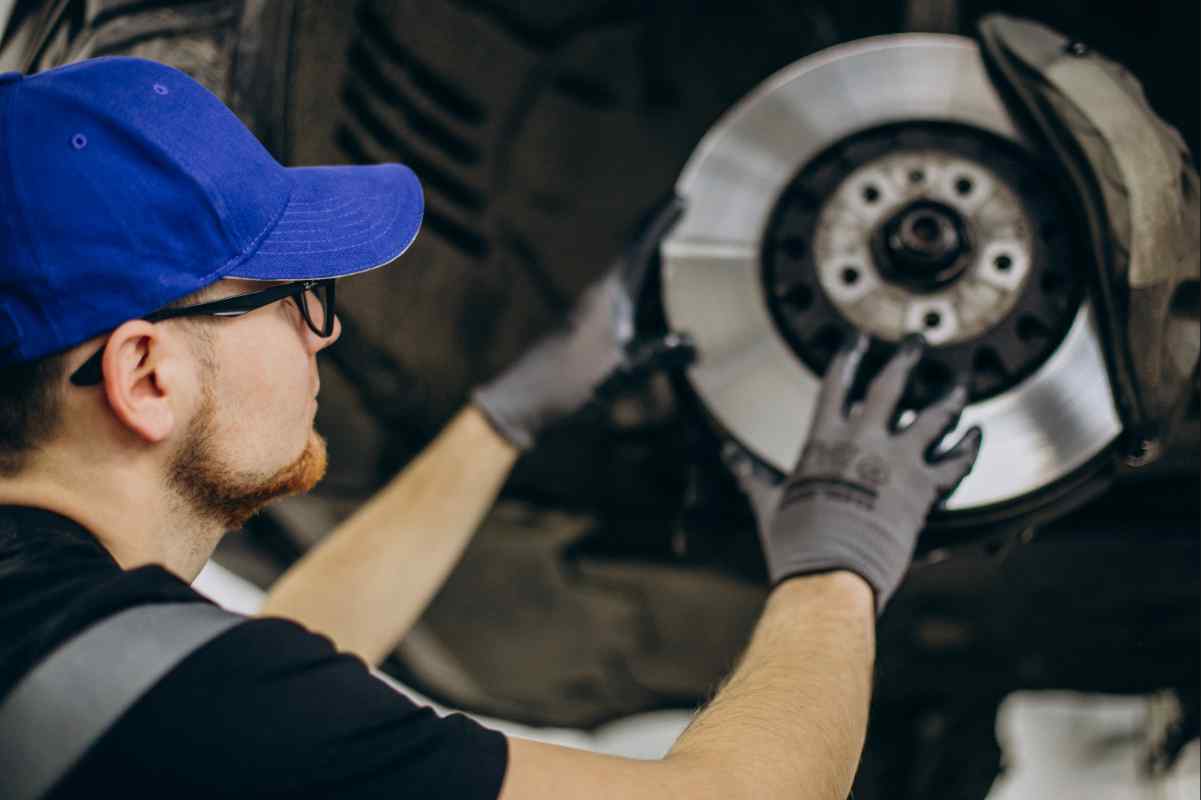
Brake systems include components such as pads, rotors, calipers, hydraulic parts, brake lines, sensors, and electronic controls, depending on vehicle design. Inspection and repair procedures vary by make, model, braking system, and component condition.
Brake Repair service in Grand Rapids, MI, can involve measuring brake components, checking hydraulic systems, inspecting related hardware, evaluating electronic brake systems, and identifying wear or damage. ASE testing includes a dedicated brake certification area, giving technicians a clear pathway to demonstrate brake-system knowledge.
Routine brake inspections can identify conditions requiring attention before a repair is performed. Repair recommendations should be based on inspection findings and applicable service information.
Transmission Repair and Drivetrain Service
Transmission systems have changed considerably across vehicle generations. Conventional automatic transmissions, manual transmissions, continuously variable transmissions, and other drivetrain configurations require different service procedures and technical knowledge.
Transmission Repair in Grand Rapids, MI, can involve diagnostic testing, fluid and component inspection, adjustment, repair, or replacement based on the vehicle and identified condition. ASE offers certification areas covering automatic transmissions and transaxles, as well as manual drivetrains and axles.
Transmission symptoms such as slipping, delayed engagement, unusual noises, or shifting concerns can have multiple possible causes. A structured diagnostic process helps
determine which systems or components require further inspection.
Quality Auto Repair Services Include More Than Certification
Quality Auto Repair Services involve several elements beyond technician credentials. Proper vehicle identification, accurate diagnosis, appropriate tools, manufacturer service information, documented inspection findings, and correct repair procedures all contribute to professional automotive service.
ASE certification provides information about a technician’s tested knowledge in specific automotive service areas. It does not independently certify the quality of every repair facility, guarantee a particular repair outcome, or replace the need for proper diagnostic procedures.
Consumers evaluating an automotive repair facility can therefore consider ASE credentials alongside the facility’s service capabilities, diagnostic equipment, repair specialties, maintenance procedures, and approach to documenting vehicle conditions.
Vehicle Maintenance Remains a Core Service
Preventive maintenance remains an important part of vehicle ownership. Maintenance requirements differ based on vehicle design, mileage, operating conditions, age, and manufacturer recommendations.
Vehicle Maintenance Services include oil and filter service, fluid inspections, brake inspections, tire-related checks, battery testing, scheduled maintenance, and inspections of components identified in manufacturer service schedules.
Following the applicable maintenance schedule helps establish a record of vehicle care and provides opportunities to identify developing service needs. Maintenance should be performed according to the vehicle manufacturer’s specifications and the vehicle’s actual condition.
616 Auto Repair Provides Automotive Service in Grand Rapids
Certified Auto Repair Shop in Grand Rapids, 616 Auto Repair provides automotive repair and maintenance services for vehicles in the Grand Rapids area. Services include vehicle diagnostics, brake service, transmission repair, routine maintenance, and other automotive repair needs.
The facility’s service scope includes diagnostic evaluation and repair of mechanical and vehicle systems. Technician certifications, equipment, and service capabilities form part of the facility’s approach to automotive repair and maintenance.
ASE certification remains a technician-level credential, making it important to distinguish between an individual technician’s certification and a repair facility’s broader services. The distinction provides useful information for consumers and journalists examining how professional credentials relate to automotive repair.
About 616 Auto Repair
616 Auto Repair is an automotive repair facility serving the Grand Rapids, Michigan, area. The shop’s services are performed by ASE-certified technicians and cover a range of maintenance and repair needs, including brake service, fluid maintenance, battery and electrical diagnostics, suspension and steering work, and preventive vehicle maintenance.
Media Contact
Company: 616 Auto Repair
Phone: (616) 888-8222
Email: service@616autorepair.com
Website: https://www.616autorepair.com/
Address: 3435 Plainfield Ave NE, Suite 400, Grand Rapids, MI 49525
Ricardo Navarrete-Mendez
616 Auto Repair
+1 (616) 888-8222
rtrautocare@gmail.com
Visit us on social media:
Facebook
X
Other
Legal Disclaimer:
EIN Presswire provides this news content “as is” without warranty of any kind. We do not accept any responsibility or liability
for the accuracy, content, images, videos, licenses, completeness, legality, or reliability of the information contained in this
article. If you have any complaints or copyright issues related to this article, kindly contact the author above.

Media gallery