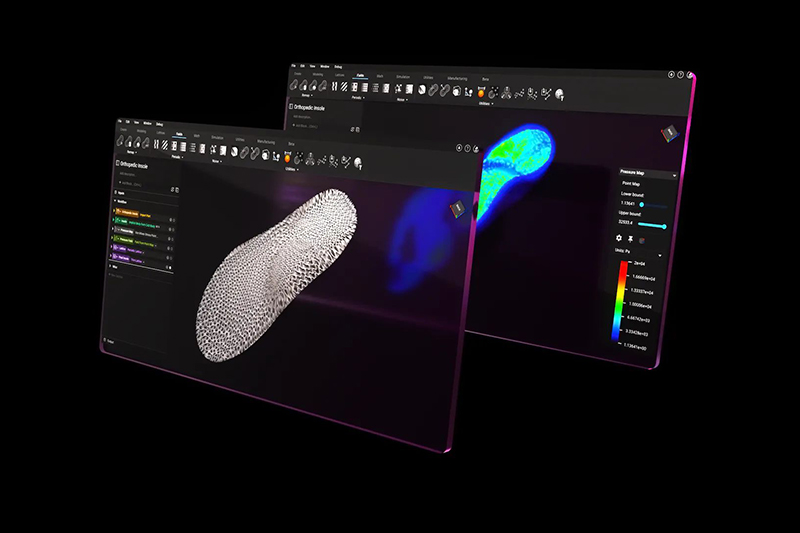
DONGGUAN, GUANGDONG, CHINA, August 24, 2026 /EINPresswire.com/ — Flat foot conditions present distinct anatomical challenges that affect millions of consumers worldwide. When the medial longitudinal arch collapses, the foot rolls inward excessively during gait, causing pronounced overpronation. This mechanical breakdown shifts kinetic forces upward, misaligning the ankles, knees, and lower back. Consequently, individuals suffering from flat feet experience localized foot fatigue, heel spur discomfort, and chronic plantar strain. To address these functional requirements, international footwear brands are transforming standard sockliners into specialized ergonomic components. Incorporating professionally engineered Custom Flat Feet Orthotic Insoles allows product developers to stabilize plantar structures, redistribute dynamic pressure, and elevate overall footwear value.
Footwear sourcing teams recognize that generic insoles rarely provide adequate orthopedic correction. Standard flat footbeds compress quickly under body weight, offering minimal resistance to midfoot collapse. In contrast, customized orthotic components integrate targeted biomechanical control features into the footwear interior. By offering functional arch alignment and heel stabilization, brands can expand their product portfolios into wellness, casual comfort, and technical workwear segments. This strategic component upgrade enhances consumer satisfaction, reduces product return rates, and establishes a strong competitive advantage in saturated global markets.
Engineering Biomechanical Control: Key Design Principles for Flat Feet Insoles
Developing an effective flat foot orthotic component requires a comprehensive understanding of foot anatomy and dynamic gait mechanics. Material engineers focus on three interconnected structural elements: medial arch stabilization, calcaneal rearfoot control, and zonal pressure distribution. Medial longitudinal arch support must provide anatomical resistance against arch depression without causing painful pressure points along the foot vault. Therefore, designers create smooth geometric transitions along the midfoot contour, ensuring continuous surface contact that cradles the foot during the stance phase.
In addition to arch support, calcaneal rearfoot control plays a critical role in controlling overpronation. A deep heel cup locks the calcaneus into a neutral orientation, restricting excessive subtalar eversion upon initial heel strike. This structural alignment prevents the calcaneus from tilting inward, thereby guiding the foot into a balanced stride path. Furthermore, successful orthotic design relies on zonal pressure distribution across the entire plantar surface. Engineers combine semi-rigid or rigid structural support shells with soft, shock-absorbing foam top layers. This multi-durometer construction absorbs heavy impact forces under the heel and metatarsal heads, while maintaining firm structural support under the midfoot vault.
The B2B Technical Parameter Checklist: Defining Specifications for OEM/ODM Customization
Product managers and procurement directors must establish precise technical parameters when negotiating custom component developments. Millimeter-level precision in arch apex height and curvature gradient ensures proper fitting across various shoe lasts. If the arch apex sits too high or too far forward, it creates severe localized discomfort and alters internal shoe volume. Conversely, an arch apex that is too low fails to halt overpronation. Technical teams specify exact apex coordinates and gradual slope angles tailored to specific footwear categories, including athletic sneakers, casual loafers, and safety boots.
Durometer calibration represents another critical parameter in the technical specification checklist. Material specialists specify distinct hardness levels for structural support elements and cushioning layers. Support shells often require firm materials rated between 60 to 75 Shore D or high-density EVA compounds, while top comfort layers utilize softer foams rated between 30 to 45 Asker C. Additionally, procurement contracts must define strict quality thresholds for material fatigue, dynamic compression set, and surface friction. Specifying high-friction, moisture-wicking top fabrics prevents foot sliding within the shoe, while low compression set metrics ensure that the orthotic component retains its corrective arch height over months of continuous wear.
Foamwell’s Orthotic Solutions Matrix: Matching Material Systems to Category Requirements
Selecting the right material architecture determines how effectively an orthotic footbed performs in commercial footwear lines. Component manufacturer Foamwell offers a diverse range of specialized orthotic formulations tailored to different corrective needs. For aggressive biomechanical correction and severe plantar fascia strain relief, high-density EVA orthotic insoles deliver robust structural stability. These firm EVA footbeds maintain precise arch contours under heavy vertical loads, providing therapeutic support for specialized wellness and orthopedic footwear collections.
Alternatively, casual daily footwear and light lifestyle shoes demand a subtle blend of corrective support and immediate step-in softness. For these applications, comfort arch support insoles incorporate flexible foam matrices that gently cradle the midfoot vault without imposing rigid structural restriction. Meanwhile, heavy-duty industrial work boots, outdoor hiking footwear, and high-impact athletic shoes require dual-density polyurethane (PU) constructions paired with thermoplastic polyurethane (TPU) arch shells. The high-resilience PU base layer attenuates heavy kinetic shock, while the embedded rigid TPU shell provides persistent structural integrity against extreme twisting forces on rough terrain.
From Biomechanical CAD to Global Logistics: Foamwell’s Agile B2B Execution
Transforming technical orthotic specifications into reliable mass-produced components requires streamlined engineering workflows and rigorous quality control. Rapid prototyping capabilities allow product developers to iterate designs with minimal lead times. Technical application teams convert podiatric blueprints and brand specification sheets into 3D digital models within three to five business days. Following digital validation, rapid mold-carving facilities produce physical evaluation samples in five to seven days, enabling brand developers to conduct immediate wear testing and last fit evaluations.
Prior to commercial scaling, an in-house laboratory subjects sample production lots to rigorous physical testing protocols. Specialists evaluate pressure distribution mapping, dynamic compression recovery, split tear resistance, and bonding strength across multi-material layers. This empirical validation guarantees that mass-produced components comply with international standards, including ISO certifications and GRS environmental protocols. Once validated, automated production lines execute bulk manufacturing orders within thirty to thirty-five days. To ensure supply chain continuity for global clients, manufacturing operations are strategically located across Dongguan, China; Hai Phong and Binh Duong, Vietnam; and Brebes, Indonesia. This multi-national production footprint offers procurement managers flexible regional fulfillment, mitigates shipping expenditures, and optimizes international tariff structures.
Conclusion: Driving Footwear Value Through Engineered Orthotic Partnerships
Custom flat feet orthotic insoles provide footwear brands with a powerful tool for product differentiation and functional innovation. By understanding biomechanical requirements, establishing clear technical parameter checklists, and choosing category-appropriate material systems, footwear developers can deliver superior ergonomic performance to their customers.
Partnering with established component experts accelerates product development cycles while guaranteeing high manufacturing standards. Footwear procurement managers, product developers, and brand directors can streamline component sourcing and enhance their footwear offerings by initiating collaborative engineering projects.
Explore complete technical parameter sheets, custom orthotic solutions, and B2B prototyping services at https://www.foam-well.com/.
Foamwell Limited
Foamwell Limited
+ +86 13549380132
email us here
Legal Disclaimer:
EIN Presswire provides this news content “as is” without warranty of any kind. We do not accept any responsibility or liability
for the accuracy, content, images, videos, licenses, completeness, legality, or reliability of the information contained in this
article. If you have any complaints or copyright issues related to this article, kindly contact the author above.

Media gallery